-
The sentence of whipping immediately executed upon her
1722: Sarah Boyce of Pembroke, “singlewoman” gave birth to “a bastard child” in 1716 and confessed that “Squire, a negro man, was the father”. The “court ordered her to be publically whipped 10 stripes and to pay fees and charges”.
-
Abraham: enticed to run away, then hidden
1735: Benjamin Stockbridge claimed that James Hyland “enticed [his negro man servant] Abraham to run away with him and hid him from September to November 1732, and…refused to obey an order of the superior court in April 1734 to return [Abraham]”. Verdict for the plaintiff, appealed by the defendant.
-
John, branded with a B for burglary
1686: “John Negro, Slave of Capt John Williams” of Scituate confessed to the burglary of “money, writings, and divers goods”. John was sentenced to stand on the gallows for 1 hour and be burnt in the hand with the letter B, as well as being required to pay for prosecution, imprisonment, and court fees.
-
Jo, whipped for fornication with Sarah Curtice
1698: “Jo, an negro servant to William Holbrooke of Scituate was sentenced to be publicly whipped ten stripes for committing fornication with Sarah Curtice of Scituate as upon oath she affirmed. Sentence executed.”
-
Charles, the stowaway from Barbados
1742: John Coshat/Corhatt, a minor of Plymouth (mariner), and Scipio, a negro slave belonging to Capt John Pickard, while visiting Carlisle Bay, Barbados, “did take and conceal on board the sloop Molly…a…negro man called Charles”, held in slavery by Benjamin Bissett.
-

Mariah Negro vs. Cornelius Briggs (Pt. 1)
Mariah Negro is an unsung founding mother of Massachusetts. Purchased in Boston as a child in 1673 by Scituate shipbuilder Walter Briggs, Mariah sued for the freedom of her daughter Molly who had been wrongfully imprisoned and enslaved by Cornelius Briggs.
-
Surre, “possessed of the divel”
1730: Nicholas Litchfield sued Isreal Cowing for fraud. Cowing sold Litchfield a Negro man named Jack and a woman named Surre for £160, but Surre was never delivered. Cowing had promised to “deliver said Negroes well and in good order”.
-
Scipea’s clandestine lodging
1753: Ruben Harlow “did entice and seduce Scipea a Negro man servant…to supply…Ruben with meat, drink, washing, and lodging in a secret and clandestine way at the house of…[Isaac] Thomas” of Plymouth.
-
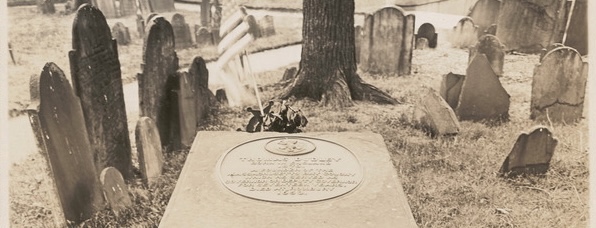
The Dudley Family and their Enslaved People
Three of the four Dudley men venerated on the plaque at Roxbury’s Eliot Burial Ground were enslavers.
-
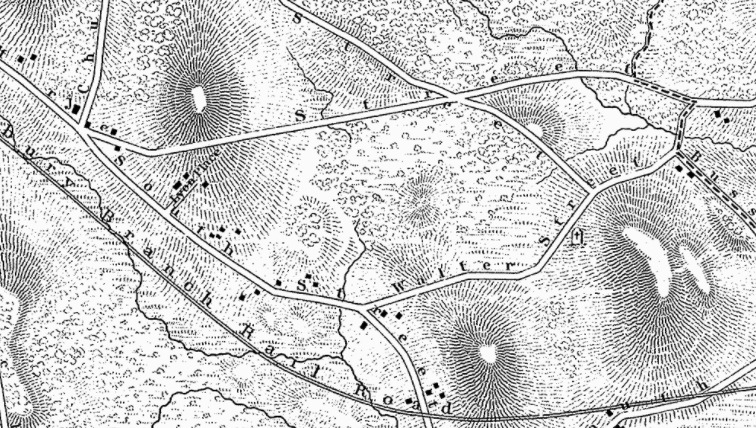
Dudleian Slavery in Roslindale
Thomas Dudley’s grandson William enslaved Quam, Peter, Caesar, and Flora in Roslindale.
-
Subscribe
Subscribed
Already have a WordPress.com account? Log in now.
 Eleven Names Project